Clearer venting path
Removing accessible buildup and loose obstructions helps restore the flue pathway the system depends on.
Routine flue care
A chimney can look calm from the room while soot, glazed residue, nesting material, or windblown debris collects higher in the flue. A professional sweep focuses on the path combustion gases use to leave the home, clearing removable deposits and looking for conditions that deserve a closer inspection.
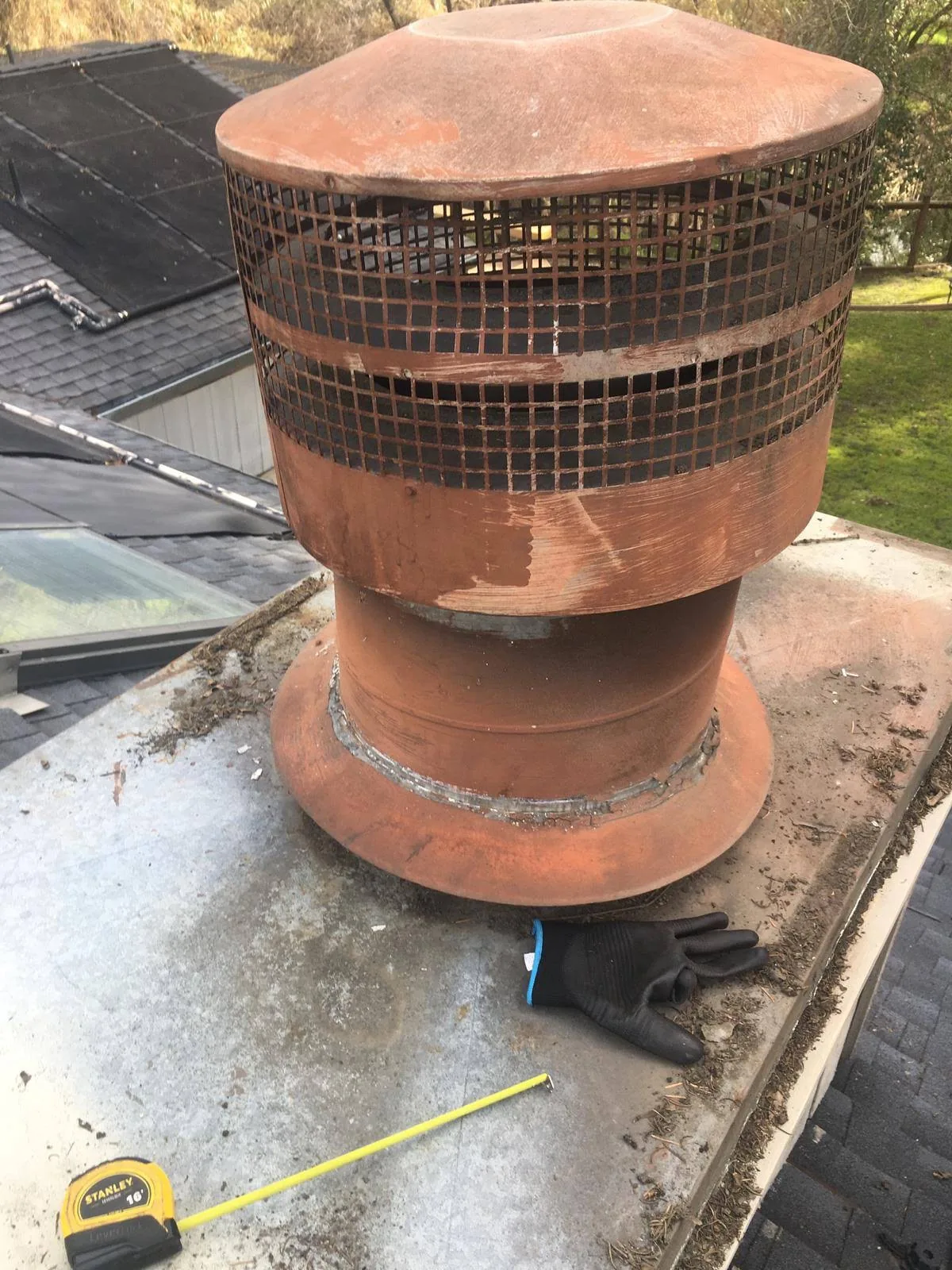
Nation Wide Chimney Sweep & Repair serves Sunnyvale and nearby Santa Clara County communities. The service is planned around the chimney type, fuel, access, recent use, and what the technician can safely observe on the day of the visit.
The goal is a defined service tied to observable conditions. It is not a promise that one appointment can correct every concealed, structural, appliance, or roof-related issue.
Removing accessible buildup and loose obstructions helps restore the flue pathway the system depends on.
Sweeping exposes surfaces that may otherwise be hidden by soot, making visible damage or residue easier to discuss.
Work-area protection and controlled debris collection help keep the service focused around the fireplace.
Common starting points
Typical project scope
The appointment begins with questions about the fireplace, fuel, smoke behavior, odors, and the last known service. The technician then reviews accessible areas and chooses an approach suited to the flue and available access.
The sweep addresses removable deposits in the accessible chimney pathway. If the visit reveals damaged masonry, an uncertain liner condition, water entry, a deteriorated cap, or another concern, that condition is documented and discussed separately rather than treated as part of routine cleaning.
Every chimney is different. Roof pitch, chimney height, fireplace design, buildup, and safe access can change the final scope after the on-site review.
Local context
Sunnyvale homes include mid-century ranch houses, later remodels, and a smaller number of older masonry fireplaces. Different construction eras can mean different flue, firebox, and roof-access conditions.
Seasonal rain, tree debris, and the South Bay’s seismic setting make exterior condition and obstruction checks especially relevant when a chimney has been unused for a long period.
Read the Sunnyvale service guideThe service path
The actual scope follows the system, condition, and access found at the property.
We start with the system history, fireplace type, and the concern that prompted the call.
The immediate hearth area is prepared before residue is disturbed.
Suitable tools are used to remove reachable deposits and loose debris.
Accessible components are checked for issues that may call for inspection or repair.
You receive a practical summary of what was found and which follow-up, if any, makes sense.
Straight answers
Every chimney and property is different. These answers explain the starting point; an on-site review determines the actual scope.
No. Sweeping removes accessible deposits. A service visit may include a basic visual review, but a more detailed inspection has a different scope and may use camera equipment.
Heavy soot, strong smoky odors, falling debris, poor draft, visible creosote, or an unknown maintenance history are reasons to schedule an assessment. Usage and fuel matter, so there is no single interval that fits every home.
Cleaning may be part of the process, but possible seismic damage should be treated first as an inspection concern. Do not use the fireplace when damage is suspected.
Routine sweeping cannot confirm every concealed condition. If the history or visible findings justify a closer look, a dedicated chimney inspection may be recommended.
Related service paths
Cleaning can reveal a repair issue. Inspection may lead to sweeping. A cap problem may involve the crown below it. These pages explain the adjacent scope.
Need sweeping?
Share the address, fireplace or vent type, visible condition, and recent events so the appointment can start in the right place.