Less loose residue
Removing accessible soot and debris helps reduce the material that can fall back into the hearth or circulate around the fireplace.
Soot and residue control
Chimney cleaning is broader than brushing one section of flue. The right scope depends on where residue has accumulated: the firebox, smoke chamber, smoke shelf, connector, or chimney passage. The goal is to remove accessible combustion byproducts without making claims about concealed components that have not been inspected.
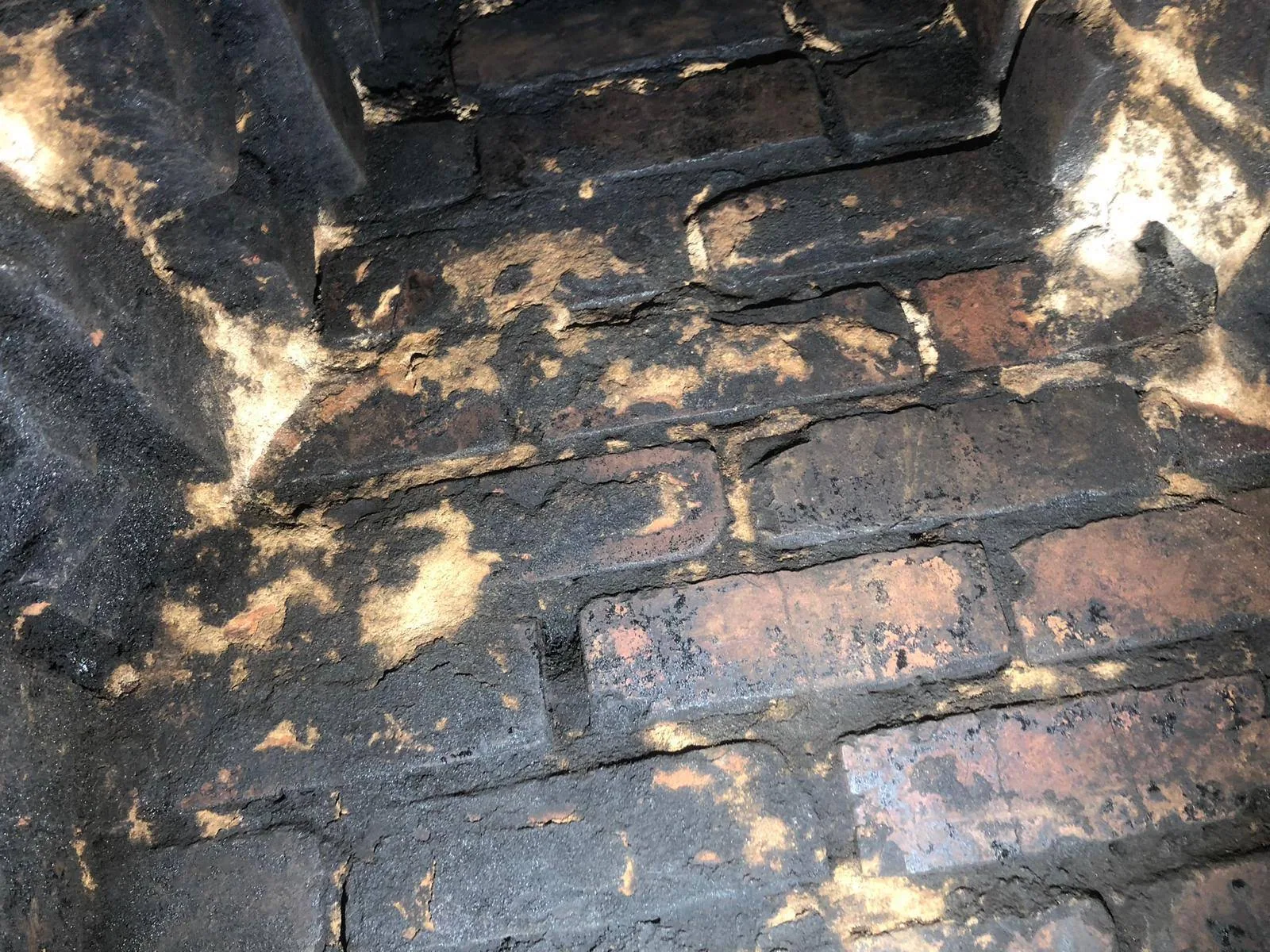
For Sunnyvale homeowners, cleaning is often the practical first step when a fireplace has an unknown maintenance history, produces persistent odor, drops soot into the hearth, or needs a clearer surface before an inspection.
The goal is a defined service tied to observable conditions. It is not a promise that one appointment can correct every concealed, structural, appliance, or roof-related issue.
Removing accessible soot and debris helps reduce the material that can fall back into the hearth or circulate around the fireplace.
Cleaned surfaces make it easier to see cracks, gaps, staining, and deterioration that deserve attention.
A documented cleaning visit gives homeowners a clearer starting point for future maintenance decisions.
Common starting points
Typical project scope
The technician identifies the fireplace and venting arrangement before choosing tools. Masonry fireplaces, wood stoves, and factory-built systems do not all use the same components, and some systems have manufacturer-specific limits.
Cleaning focuses on reachable residue and debris. Stains, water damage, cracked refractory panels, deteriorated mortar, damaged liners, and failed metal components are repair or inspection issues and are kept separate from the cleaning scope.
Where safe access or system identification is uncertain, the visit may be limited until the configuration can be confirmed.
Local context
A fireplace that sits unused through much of the South Bay year can still collect moisture residue, leaves, nesting material, or windblown debris. Long gaps between uses make a pre-use review especially sensible.
Homes with mature trees may see more roof and cap debris, while older masonry systems may need additional attention around mortar, crowns, and flue tiles once residue is removed.
Read the Sunnyvale service guideThe service path
The actual scope follows the system, condition, and access found at the property.
We identify whether the call is about routine residue, odor, debris, draft symptoms, or inspection preparation.
Accessible components and venting type are reviewed so the cleaning method fits the installation.
The nearby area is readied to control loosened residue.
Accessible deposits are removed using tools suited to the system.
Visible concerns are summarized and separated from any recommended repair work.
Straight answers
Every chimney and property is different. These answers explain the starting point; an on-site review determines the actual scope.
The terms overlap. Sweeping usually describes brushing the flue path; cleaning may also address accessible residue in the firebox, smoke shelf, or related areas. The written scope should state what is included.
It can help when soot or residue is contributing, but moisture, negative air pressure, animals, and damaged components can also cause odor. The source should be assessed.
Some hardened or glazed deposits require specialized assessment and may not be fully removable with routine sweeping. The technician should explain what is present and what options are appropriate.
Often, a cleaner flue provides a clearer view. The technician can advise whether cleaning is needed before the inspection based on the system and visible buildup.
Related service paths
Cleaning can reveal a repair issue. Inspection may lead to sweeping. A cap problem may involve the crown below it. These pages explain the adjacent scope.
Need cleaning?
Share the address, fireplace or vent type, visible condition, and recent events so the appointment can start in the right place.